Apollo: God of Light, Music, Philosophy, and Multi-Talented Genius
How Was Apollo Born and What Made Him Unique?
Apollo, son of Zeus and Leto, had a rather dramatic start to life. His twin sister Artemis and he were born on the floating island of Delos, which apparently became famous because of them. Unlike other gods who relied solely on brute strength or schemes, Apollo was gifted with light, music, prophecy, and a philosophical mind. Basically, he was the original “multi-talented influencer” of Olympus.
From his first breath, Apollo carried the sun’s brilliance, literally and metaphorically. While Zeus governed with thunder and Hera schemed with politics, Apollo walked around radiating calm intelligence and occasionally roasted mortals with his pointed advice. He became the god of the arts, music, poetry, and philosophy, blending wisdom with style.
Where Did Apollo Walk and Philosophize?
Apollo loved wandering through Ancient Greek marketplaces, olive groves, and sunlit hills. But he didn’t just admire the scenery he philosophized about everything. He pondered ethics, human ambition, the nature of beauty, and the meaning of art. Merchants selling olive oil or amphorae would stop mid-sale, captivated by his musings.
One story tells of Apollo watching farmers debate irrigation techniques. While others argued, he quietly suggested a method that increased yield and wrote a short poem about it for fun. Philosophers like Pythagoras (later) would have loved him. Essentially, Apollo blended practical thinking with aesthetic reflection, proving that philosophy doesn’t have to be boring it can be sunlit and melodic.
Who Were Apollo’s Friends Among Gods and Mortals?
Apollo wasn’t a loner. His closest friends were Hermes, the mischievous messenger; Athena, who appreciated cleverness; and the Muses, who inspired his artistic side. He was also friends with Asclepius, the god of medicine, with whom he shared a passion for healing and helping humans.
But Apollo could also be playful and sometimes sarcastic. He would tease Ares about his temper and have witty banter with Dionysus, the god of wine. While he didn’t crave war like Ares, he enjoyed intellectual sparring and musical contests, especially with other gods who challenged his skills.
What Wars Did Apollo Fight Against Other Gods?
Though primarily a god of light and reason, Apollo occasionally joined divine skirmishes. One notable incident was the Trojan War, where he supported the Trojans, striking Greek warriors with arrows (sometimes just to demonstrate precision). Another tale involves Poseidon, who competed for influence over certain cities. Apollo used strategy, music, and cunning rather than brute force to assert his presence. 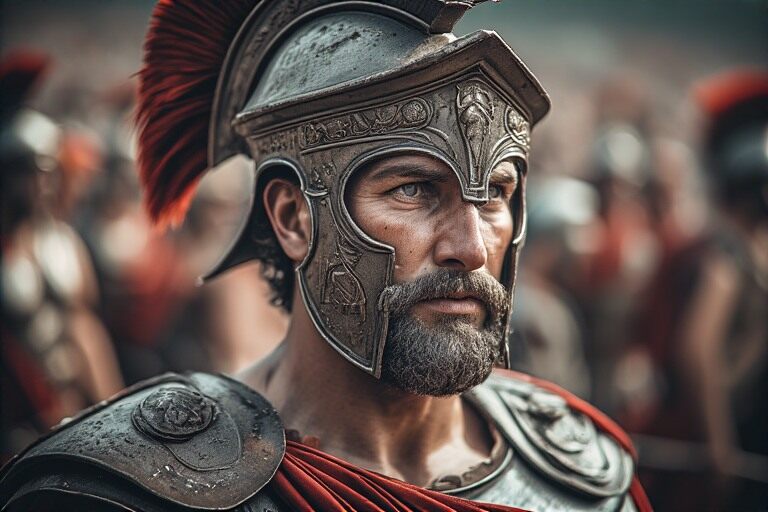
He also clashed with Artemis’ enemies, defending his sister when needed. Unlike chaotic deities like Ares, Apollo’s approach to conflict was elegant, calculated, and occasionally dramatic, often leaving mortals and gods alike impressed by his style.
How Did Apollo Use Music and the Arts to Influence the World?
Apollo’s lyre was not just for entertainment it was a tool of diplomacy, education, and philosophical insight. He would perform in marketplaces, temples, and courts, teaching humans about harmony, ethics, and the beauty of logic through music. His songs sometimes contained hidden lessons: about courage, moderation, or the fleeting nature of life.
Mortals marveled at how poetry, philosophy, and melody could coexist so seamlessly. Apollo proved that the arts weren’t frivolous they were essential for cultivating wisdom, inspiring communities, and keeping gods in check.
What Philosophical Questions Did Apollo Ask?
Apollo loved big questions, and he didn’t shy away from discussing them with mortals or gods. He asked:
- “What makes life meaningful beyond pleasure or power?”
- “How can beauty guide human behavior?”
- “Is justice universal, or just a matter of perspective?”
- “Can humans understand the divine without folly?”
While some philosophers later formalized these debates, Apollo was already teaching them through poetry, music, and observation. Even the Muses admitted that he was the most insightful among the Olympians.
How Did Apollo Balance Light, Arts, and War?
Apollo’s genius was balance. While his arrows could harm, his lyre could heal. While he advised mortals, he also fought when necessary, showing that intellect and strategy often outweighed sheer strength.
For instance, during minor conflicts among gods or mortals, he used wisdom to prevent escalation but wouldn’t hesitate to intervene with his bow if someone pushed too far. Unlike chaotic gods, Apollo embraced elegance in every action, proving that conflict could coexist with creativity.
What Lessons Can We Learn from Apollo Today?
Apollo represents the integration of skill, wisdom, and creativity. He shows that:
- Art and philosophy can be practical tools for problem-solving.
- Strategy and intellect often outperform raw power.
- Friendships and mentorships are crucial, even among the most talented.
- Balancing multiple talents makes you irreplaceable in any community.
In a world obsessed with specialization, Apollo reminds us that being multi-talented, thoughtful, and strategic is timeless. Whether leading projects, inspiring teams, or navigating conflicts, his model applies perfectly today.
How Did Apollo Influence Ancient Greek Culture?
Apollo’s presence shaped art, philosophy, medicine, music, and warfare strategy. Temples dedicated to him became centers of learning, where humans could seek advice, healing, or inspiration. He influenced poets, sculptors, and philosophers, showing that beauty and reason are intertwined. 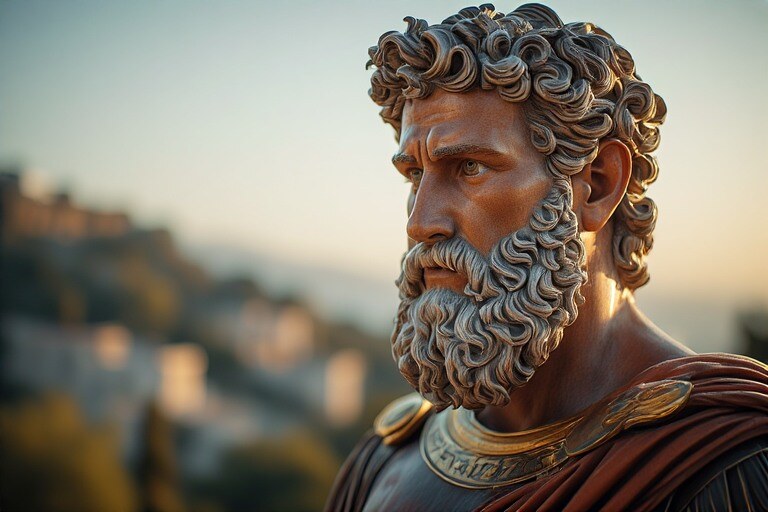
Cities celebrated festivals in his honor, often combining music competitions, athletic events, and philosophical debates. He created a template for the ideal citizen-god interaction: brilliant, inspiring, and occasionally playful but always wise.
Why Is Apollo Still Relevant Today?
Apollo remains a symbol of versatility, insight, and influence. He’s the ultimate “multi-domain expert” someone who combines creativity, strategy, and mentorship. Startups, educators, and artists could all learn from his approach: thoughtful, inspiring, and always shining a light on human potential.
Imagine Apollo today, strolling through a tech hub or creative conference, offering advice on leadership, design, and ethics all while casually playing his lyre and subtly roasting rivals with style.
Apollo, son of Zeus and Leto, is more than a god of light or music he’s a master of philosophy, strategy, and diplomacy. His story shows that wisdom, creativity, and elegance can coexist with power and influence.