Heracles: More Than Strength in Greek Mythology
Who Was Heracles Beyond His Famous Strength?
Heracles, known to the Romans as Hercules, was the extraordinary son of Zeus and Alcmene, born with divine energy most mortals could only dream of or fear. From infancy, danger and drama followed him. Hera, suspicious of Zeus’s mortal affairs, sent serpents to his cradle. Heracles’ first feat? Strangling the snakes before he could even toddle. Even as a baby, it was clear he wasn’t destined for ordinary life he was born to be a hero, though sometimes one who accidentally destroyed a city while trying to clean a stable.
How Did His Parents Shape His Early Life?
Alcmene, his mortal mother, provided care, guidance, and crucial protection from Hera’s wrath. Zeus gave him divine strength but little advice about handling mortal problems or angry gods. Heracles’ upbringing mixed loving instruction, accidental chaos, and occasional supernatural sabotage. For instance, he once killed his music tutor in frustration a tragicomic reminder that being part god didn’t automatically grant people skills. These experiences forged a complex character: heroic, yet impulsive and dramatic.
What Made Heracles’ Adulthood Legendary?
Heracles is most remembered for his Twelve Labors, imposed as punishment after Hera drove him mad, causing him to kill his wife and children. These labors tested his strength, wit, patience, and moral courage. He defeated the Nemean Lion, whose skin became his iconic armor, captured the Ceryneian Hind, and cleaned the Augean Stables using ingenuity diverting rivers instead of shoveling manure. He even ventured into the Underworld to bring back Cerberus, proving no challenge was too terrifying or supernatural.
Did Heracles Face Conflicts With Gods or Mortals?
Absolutely. Hera constantly created obstacles requiring both brute force and cunning. Other gods alternately assisted or tricked him Dionysus once challenged him to a drinking contest, while Athena offered guidance during key labors. Mortals, kings, and fellow heroes occasionally clashed with him out of jealousy, fear, or bad luck. Despite these struggles, Zeus often intervened to keep Heracles’ heroic destiny on track.
What Was Heracles’ Personality Beyond Strength?
Heracles combined immense physical power with very human flaws. Impulsive, stubborn, and occasionally hot-headed, he was also loyal, courageous, and surprisingly clever. Humor appears throughout his myths: tricking Atlas into holding the heavens temporarily or bungling domestic tasks comically. He loved companionship, food, wine, and sometimes showed a tender side with friends and animals. This mix made him relatable, admired for bravery yet approachable through human foibles.
How Did Heracles Interact With Mortals?
Mortals saw Heracles as both protector and punisher. He defended cities, challenged tyrants, and assisted communities plagued by monsters or injustice. Yet his temper and impulsive nature sometimes caused collateral damage. 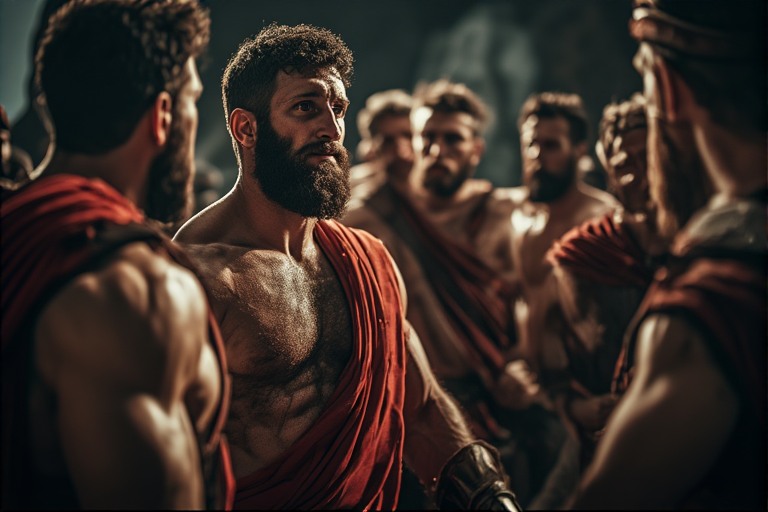 Traveling across Greece, interacting with kings, peasants, and adventurers, Heracles became a living legend, embodying courage, resourcefulness, and occasional chaotic blunders.
What Are Some Lesser-Known or Amusing Tales?
Not all exploits were epic battles. Some were funny or ironic. During the Augean Stables labor, his river diversion showed cleverness over brute force, earning admiration and laughter. Encounters with deities, centaurs, or mischievous mortals often led to humorous complications, proving that heroism involved problem-solving, adaptability, and surviving mistakes with dignity.
How Did Heracles Leave a Lasting Legacy?
Heracles illustrates the blend of mortal imperfection and divine potential. He taught courage, resilience, clever thinking, and the importance of confronting consequences. He inspired hero cults, theatrical works, and countless myths. Even today, his stories resonate as a symbol of a hero who is extraordinary yet relatable a man who wrestles monsters and gods while struggling with anger, grief, and humor.
What Other Aspects Define Heracles’ Age and Influence?
Beyond battles and labors, Heracles shaped Greek culture through example. He navigated moral dilemmas, taught leadership, and sparked conversation about divine intervention versus human choice. His presence inspired art, communities, and conversation, showing heroism is messy, chaotic, and deeply human. Through victories, failures, and comic absurdity, Heracles represents strength, perseverance, and the enduring complexity of both human and heroic nature.